
Common Myths About Temporary Email Services
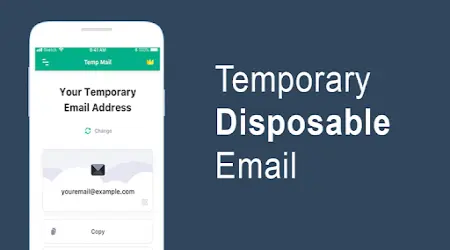
Temporary or disposable email services have grown in popularity as people look for better ways to protect their privacy and reduce spam. Despite their widespread use, these services are still surrounded by misconceptions. Some believe they’re illegal, unsafe, or only used by hackers—while others assume they offer complete anonymity with no downsides.
The truth lies somewhere in between. Temporary email services are legitimate privacy tools, but like any technology, they have limitations. Let’s break down the most common myths about temporary email services and uncover the facts behind them.
Myth 1: Temporary Emails Are Illegal
This is one of the most widespread misconceptions.
The truth: Temporary email services are legal in most countries. There are no laws that prohibit using a disposable email address for privacy or convenience. These services exist to help users reduce spam, limit data sharing, and protect their inboxes.
Problems only arise when temporary emails are used for illegal activities—but that applies to any type of email, not just disposable ones.
Myth 2: Only Hackers and Criminals Use Temporary Emails
Temporary emails often get unfairly associated with cybercrime because they offer anonymity and short-term use.
The truth: The majority of users are everyday people who want to:
Avoid spam and newsletters
Sign up for free trials
Test websites or apps
Protect their personal inbox
Developers, testers, students, and privacy-conscious users rely on temporary emails daily for completely legitimate reasons.
Myth 3: Temporary Emails Are Completely Anonymous
Some users assume disposable emails make them invisible online.
The truth: Temporary emails reduce exposure of your email address, but they do not provide total anonymity. Websites can still collect:
IP addresses
Browser fingerprints
Cookies and device data
Temporary emails protect one layer of your identity—not your entire online footprint.
Myth 4: Temporary Emails Are Unsafe by Default
Many people assume all disposable email services are insecure.
The truth: Safety depends on the provider and how you use the service. Some inboxes are public, while others are private. Using a temporary email for sensitive accounts is risky—but using it for short-term, low-risk tasks is generally safe.
The tool itself isn’t unsafe; misuse creates risk.
Myth 5: Temporary Emails Replace Regular Email Accounts
Some users think they can rely entirely on disposable emails.
The truth: Temporary emails are not meant to replace personal or work email accounts. They are designed for short-term use only. You still need a permanent email for:
Banking and financial services
Work and school communication
Account recovery and password resets
Disposable emails are a supplement—not a replacement.
Myth 6: Websites Always Block Temporary Emails
It’s common to hear that disposable emails don’t work anywhere.
The truth: While some platforms block known disposable domains, many websites still accept them—especially for newsletters, trials, forums, and content downloads. Acceptance varies by platform and use case.
Blocking is a business decision, not a universal rule.
Myth 7: Temporary Emails Encourage Dishonesty
Some believe using a disposable email is deceptive or unethical.
The truth: Choosing not to share permanent personal data is not dishonest. Temporary emails support privacy principles like data minimization and user consent. As long as you follow platform rules and avoid abuse, using a disposable email is ethically sound.
Myth 8: All Temporary Email Services Are the Same
People often assume every temp mail service works identically.
The truth: Temporary email services vary widely in:
Inbox lifespan
Privacy level
Public vs private access
Feature sets
Reliability
Choosing the right service depends on your specific needs and how long you need access to messages.
Myth 9: Temporary Emails Cause Spam
Ironically, some think temp mail services contribute to spam.
The truth: Temporary emails don’t generate spam—they absorb it. They act as a buffer, preventing unwanted messages from reaching your real inbox. While spammers may misuse disposable emails, that doesn’t make the tool itself harmful.
Myth 10: You Don’t Need Temporary Emails If You Have Spam Filters
Spam filters are helpful, but they’re reactive—not preventive.
The truth: Temporary emails stop spam before it starts by preventing your real email from being shared in the first place. Filters clean up after the fact; disposable emails reduce exposure from the beginning.
When Temporary Emails Make Sense
Temporary email services are ideal for:
One-time signups
Free trials
Newsletter access
Unfamiliar websites
Testing and development
They are less suitable for long-term or sensitive accounts.
Best Practices for Using Temporary Emails
Use them for low-risk, short-term interactions
Avoid entering personal or financial data
Complete verifications promptly
Switch to alias or personal emails for long-term use
Respect website terms of service
Conclusion
Temporary email services are often misunderstood because of outdated assumptions and misinformation. They are legal, widely used, and effective privacy tools when used responsibly. While they don’t offer complete anonymity or replace permanent email accounts, they play an important role in reducing spam, limiting tracking, and protecting digital identities.
Understanding the truth behind these common myths helps users make smarter decisions and use temporary email services confidently and ethically in today’s online world.