Why Privacy Advocates Recommend Disposable Email Services
In an age where personal data is constantly collected, tracked, and monetized, privacy has become a major concern for internet users worldwide. Every online signup, newsletter, and app registration often demands an email address—turning your inbox into a central identifier of your digital life. For this reason, privacy advocates increasingly recommend disposable email services as a practical and effective privacy solution.
Disposable emails are not about hiding illegal activity or avoiding responsibility. Instead, they are about data minimization—sharing only what is necessary and nothing more. This principle lies at the heart of modern privacy advocacy.
The Email Address as a Privacy Risk
Your email address is one of the most valuable pieces of personal data you own. It’s commonly used to:
Track user behavior across websites
Link multiple accounts to a single identity
Send targeted advertising and marketing
Enable phishing and social engineering attacks
Once your email is stored in databases, it can be sold, leaked, or breached. Privacy advocates argue that reducing how often your real email is shared significantly lowers these risks.
How Disposable Email Services Support Privacy
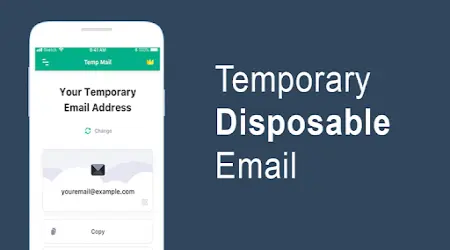
Disposable email services provide temporary, short-lived addresses that you can use in place of your real email. These addresses receive messages for a limited time and then expire automatically.
This approach aligns with key privacy principles, including:
Data minimization – Only essential data is shared
Purpose limitation – Data is used once and then discarded
Reduced digital footprint – Fewer permanent identifiers online
Key Reasons Privacy Advocates Recommend Disposable Emails
1. Limiting Data Collection
By using a disposable email, companies cannot build long-term profiles tied to your real identity. Once the temporary address expires, tracking stops.
2. Reducing Exposure to Data Breaches
Data breaches are increasingly common. When a disposable email is exposed, it can’t be reused, protecting your primary inbox from future attacks.
3. Preventing Spam and Manipulative Marketing
Many organizations collect emails primarily for marketing. Disposable emails block unwanted newsletters, promotional campaigns, and persistent follow-ups.
4. Protecting Against Phishing and Scams
Phishing attacks often rely on trusted email addresses. Disposable emails reduce the risk by isolating potential threats in temporary inboxes.
5. Encouraging User Control
Privacy advocates emphasize user empowerment. Disposable emails give individuals control over when, where, and how their email identity is used.
Disposable Emails and Legal, Ethical Use
Privacy advocates also stress responsible usage. Disposable emails are meant for:
Low-risk signups
One-time access
Testing and exploration
Protecting against unnecessary data collection
They are not recommended for financial accounts, government services, or critical communications.
How Disposable Emails Fit Into a Broader Privacy Strategy
Disposable emails work best when combined with other privacy tools, such as:
Strong, unique passwords
Two-factor authentication
Privacy-focused browsers
VPNs and tracker blockers
Together, these tools form a layered defense that limits data exposure at multiple levels.
Common Misunderstandings
“Disposable emails are suspicious” – Privacy advocates see them as responsible data hygiene.
“Only criminals use them” – Millions of everyday users rely on them for safety and convenience.
“They replace regular email” – Disposable emails complement, not replace, personal inboxes.
Conclusion
Privacy advocates recommend disposable email services because they address a fundamental problem of the modern internet: excessive data collection. By minimizing exposure, limiting tracking, and reducing long-term risk, disposable emails empower users to regain control over their digital identities.
In a world where privacy is increasingly rare, disposable email services offer a simple, accessible step toward safer and more intentional online participation.