Disposable Email vs. Alias Email: What’s the Difference?
As concerns about online privacy continue to grow, more people are looking for ways to protect their personal email addresses. Two popular solutions often come up in this conversation: disposable emails and alias emails. While they may seem similar at first glance, they serve different purposes and are designed for different use cases.
Understanding the difference between disposable email and alias email can help you choose the right tool for protecting your inbox, managing online accounts, and reducing digital exposure.
What Is a Disposable Email?
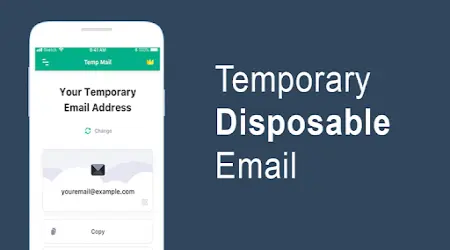
A disposable email is a temporary, short-lived email address created for one-time or short-term use. These emails usually require no registration, no password, and no personal information. Messages received in the inbox are automatically deleted after a certain period—ranging from a few minutes to several hours.
Disposable emails are designed for speed, convenience, and anonymity. Once the task is done, the address disappears, leaving no long-term digital footprint.
Common Uses:
One-time signups
Free trials
Downloading gated content
Testing websites or apps
Avoiding spam and newsletters
What Is an Alias Email?
An alias email is a secondary email address that forwards messages to your main inbox. Unlike disposable emails, aliases are usually permanent or long-term and are tied to a real email account.
Aliases allow you to create multiple addresses (for example, shopping@, social@, or newsletters@) that all route messages to one central inbox. You can disable or delete an alias anytime without affecting your main email account.
Common Uses:
Managing long-term accounts
Separating work, shopping, and personal emails
Tracking which services share or leak your email
Maintaining control over ongoing communications
Key Differences Between Disposable and Alias Emails
1. Lifespan
Disposable Email: Short-term; expires automatically.
Alias Email: Long-term; stays active until you delete it.
Winner: Alias email for ongoing access, disposable email for one-time use.
2. Account Recovery and Access
Disposable Email: Not suitable for password resets or future access.
Alias Email: Ideal for account recovery and long-term logins.
Winner: Alias email.
3. Privacy Level
Disposable Email: High anonymity, minimal data exposure.
Alias Email: Good privacy, but still linked to a real inbox.
Winner: Disposable email for maximum anonymity.
4. Ease of Use
Disposable Email: Instant, no setup required.
Alias Email: Requires setup through an email provider or service.
Winner: Disposable email for speed.
5. Spam Control
Disposable Email: Spam disappears when inbox expires.
Alias Email: Spam can be blocked by disabling the alias.
Winner: Tie—both are effective in different ways.
Pros and Cons at a Glance
Disposable Emails
Pros:
No registration or personal data required
Excellent for short-term privacy
Prevents long-term tracking
Quick and easy to use
Cons:
No account recovery
Messages expire quickly
Not suitable for important accounts
Some websites block them
Alias Emails
Pros:
Long-term usability
Supports password resets and notifications
Better control over ongoing communication
Helps identify data leaks
Cons:
Requires a main email account
Slightly more setup involved
Still indirectly linked to your identity
When Should You Use a Disposable Email?
Use a disposable email when:
You don’t trust the website
You only need access once
You want maximum anonymity
You’re testing or experimenting
Disposable emails are best treated as temporary shields—use them, then discard them.
When Should You Use an Alias Email?
Use an alias email when:
You need long-term access to an account
You expect future notifications
You want better organization
You may need password recovery
Alias emails act as controlled extensions of your main inbox.
Using Both for Better Privacy
Privacy experts often recommend using both disposable and alias emails together. Each solves a different problem:
Disposable emails minimize exposure
Alias emails maintain control
For example:
Disposable email for initial signup
Alias email for trusted, long-term services
This layered approach offers flexibility without sacrificing convenience.
Common Misconceptions
“Disposable and alias emails are the same” – They serve different purposes.
“Alias emails aren’t private” – They still provide strong control and protection.
“One solution is enough” – Different situations require different tools.
Conclusion
Disposable emails and alias emails are both valuable tools for protecting your inbox and digital identity—but they are not interchangeable. Disposable emails excel at short-term privacy and anonymity, while alias emails shine in long-term account management and organization.
Choosing the right option depends on how long you need access, how much privacy you want, and how important the account is. By understanding the differences, you can take smarter control of your online privacy and reduce unnecessary digital exposure.