
Free vs. Paid Temporary Email Services – Which One is Worth It?
Disposable or temporary email services have become essential tools for staying private online, avoiding spam, and managing one-time sign-ups. But with so many options out there, you might wonder: Should I stick with a free service, or is paying for premium worth it? The answer isn’t one-size-fits-all. Let’s explore the differences, benefits, limitations, and what type of user each option fits best.
What Are Free Temporary Email Services?
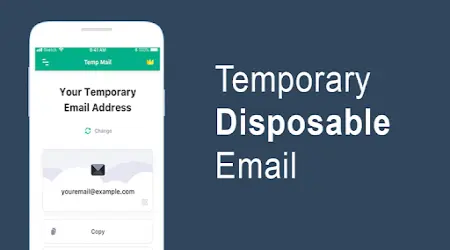
Free temporary email services provide instantly generated email addresses at no cost. They’re easy to use and ideal for quick tasks like signing up for a newsletter, verifying an account, or accessing a one-time download.
Examples of Free Features:
Instant disposable email creation
Short-term inbox (ranging from minutes to hours)
Basic incoming mail display
No sign-up or personal info required
Free services are often supported by ads, and their privacy policies may vary—so it’s important to know the limitations before relying on them for anything beyond basic tasks.
What Are Paid Temporary Email Services?
Paid temporary email options are usually offered as part of premium tiers or as enhanced disposable email services. They add extra features that improve privacy, security, and usability compared to their free counterparts.
Common Paid Features Include:
Longer mailbox lifespan (sometimes days or weeks)
Private or custom domain usage
Extended storage for incoming mail
Fewer or no ads
Priority support
Better security protections
Paid services are best for users who rely on disposable emails regularly, need longer access to messages, or want additional privacy guarantees.
Head-to-Head: Free vs. Paid
1. Cost
Free: Zero cost—perfect for casual or occasional use.
Paid: Monthly or annual subscription; cost varies by provider and feature set.
Winner: Free for casual users, Paid for frequent users needing advanced features.
2. Privacy and Security
Free: Basic privacy; some services display public inboxes, and policies vary.
Paid: Often stronger privacy protections, private inboxes, and better encryption.
Winner: Paid services typically provide a more secure experience.
3. Lifespan and Access
Free: Short life span; emails may disappear in minutes or hours.
Paid: Longer access to inbox and archived messages.
Winner: Paid, if you need to review emails later or keep them longer.
4. Reliability and Support
Free: Limited or no support; may be slow or ad-heavy.
Paid: Priority support, faster servers, and more consistent performance.
Winner: Paid services offer a smoother experience.
Pros and Cons at a Glance
Free Temporary Email Services
Pros:
Completely free
Quick and convenient
Great for one-off tasks
Cons:
Limited lifespan
Public inbox risk with some providers
Fewer features
Ads or tracking common
Paid Temporary Email Services
Pros:
Longer message retention
Stronger privacy and security
No ads
Custom or private features
Cons:
Cost involved
May offer more features than occasional users need
When a Free Service Is Worth It
Best for:
One-time sign-ups
Trial verifications
Avoiding spam for short interactions
Free temporary emails are perfect when you only need an address for a few minutes or hours. If you’re simply protecting your inbox from newsletters or promotional messages once in a while, free providers get the job done without spending a dime.
When Paying Makes Sense
Best for:
Frequent use (e.g., daily sign-ups, testing)
Longer retention of messages
Sensitive registrations where privacy matters
Business use or team environments
Paid services shine when you need reliability, privacy guarantees, and features that go beyond basic temp mail. If you find yourself repeatedly using disposable emails and want better control, the subscription fee may be worth it.
Tips for Choosing the Right Option
Assess Your Use Frequency:
If you only need temporary emails occasionally, free services likely suffice. If you depend on them regularly, consider paid.Check Privacy Policies:
Even with free services, review their data handling policies to ensure your information stays safe.Look for Lifespan Options:
Some premium services let you choose how long mail stays—great for tests that take time.Avoid Public Inboxes for Sensitive Tasks:
Services with public inboxes may expose messages. A paid or private option is safer for anything important.
Conclusion
Both free and paid temporary email services have their place in your digital toolkit. Free services are quick, cost-effective, and great for casual use. Paid services offer enhanced privacy, longer access, and more robust features for regular or business users. Consider how often you need disposable emails and how important privacy and message retention are to you—then choose the service that fits your needs best.