Why You Should Never Use Your Personal Email Everywhere
Your personal email address may seem harmless, but in reality, it is one of the most powerful identifiers tied to your digital identity. It connects your social media, online shopping, banking, work accounts, subscriptions, and more. Using the same personal email everywhere might feel convenient, but it exposes you to spam, tracking, phishing, and even identity theft.
In today’s data-driven internet, privacy isn’t about hiding—it’s about control. Knowing when not to use your personal email is one of the simplest yet most effective ways to protect yourself online.
Your Email Is Your Digital Identity
Many people underestimate how much power an email address holds. It’s often used as:
A primary login credential
A password recovery key
A tracking identifier across platforms
A link between multiple online profiles
Once your email is shared widely, it becomes easy for companies—and attackers—to build a detailed profile of your behavior, interests, and habits.
The Spam Problem Never Really Ends
Using your personal email everywhere almost guarantees inbox overload.
Here’s how it happens:
You sign up for a “one-time” offer
Your email is added to a marketing list
That list is shared or sold
Your inbox fills with newsletters, promotions, and ads
Unsubscribing helps—but only partially. Some emails never stop, and new ones keep coming. Over time, important messages get buried under noise.
Data Breaches Are More Common Than You Think
Even reputable companies experience data breaches. When your personal email is involved in a breach, it can be used for:
Credential-stuffing attacks
Targeted phishing attempts
Social engineering scams
The more places your email exists, the higher the risk. Using your personal email everywhere creates a single point of failure.
Phishing Becomes More Convincing
Phishing attacks work best when they feel personal. If attackers know where you shop, which services you use, or which platforms you’re on, their emails become harder to detect.
Using your real email across dozens of sites gives attackers exactly what they need to craft believable messages that appear trustworthy.
Marketing and Tracking Follow You Everywhere
Email addresses are often used to:
Track users across websites
Build advertising profiles
Link browsing behavior to real identities
Once your email is tied to multiple platforms, it becomes a persistent tracker. Even if you change devices or browsers, your email remains the same digital fingerprint.
Account Recovery Becomes Riskier
Because your personal email is used for password resets, compromising it can have a domino effect. One hacked inbox can lead to multiple account takeovers—especially if the same email is used everywhere.
Separating emails by purpose helps limit damage if something goes wrong.
Smarter Alternatives to Using Your Personal Email Everywhere
Instead of relying on one email for everything, consider a layered approach:
1. Personal Email (Private Use Only)
Banking
Government services
Work or school
Critical accounts
2. Alias Emails (Long-Term Accounts)
Shopping sites
Subscriptions
Social media
Trusted platforms
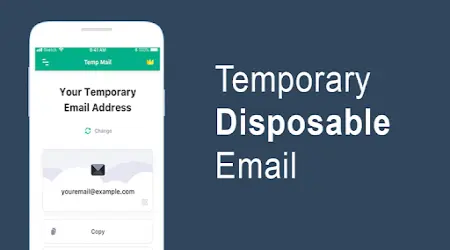
3. Disposable Emails (Short-Term Use)
Free trials
Newsletters
Downloads
Unfamiliar websites
This approach keeps your most important inbox protected while still letting you enjoy online services.
Benefits of Limiting Personal Email Usage
Cleaner inbox
Reduced spam and phishing
Better privacy control
Lower risk from data breaches
Easier account management
Small changes in how you use your email can have a big impact on your digital safety.
Common Myths
“I have nothing to hide” – Privacy is about protection, not secrecy.
“Spam filters are enough” – They help, but prevention is stronger.
“One email is simpler” – Simpler now, riskier later.
Conclusion
Your personal email is not just another contact detail—it’s the backbone of your digital identity. Using it everywhere increases exposure, risk, and long-term inconvenience. By being selective about where and how you share your personal email, you regain control over your privacy, security, and online experience.
In a world where data is constantly collected, the smartest move isn’t avoiding the internet—it’s using it wisely. And that starts with protecting your personal email.