Is Using a Disposable Email Legal? Here’s the Truth
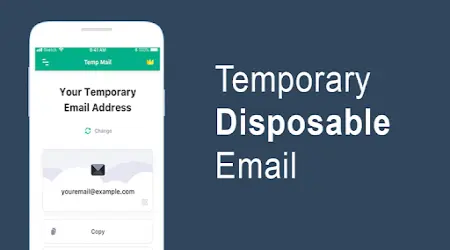
Disposable or temporary email services are widely used to avoid spam, protect privacy, and reduce exposure to data tracking. Yet a common question keeps coming up: Is using a disposable email actually legal?
The short answer is yes—using disposable emails is legal in most countries. However, like many digital tools, legality depends not on the tool itself, but on how it’s used. Let’s break down the facts, clear up misconceptions, and explain when disposable emails are lawful, ethical, and even encouraged.
Why People Question the Legality of Disposable Emails
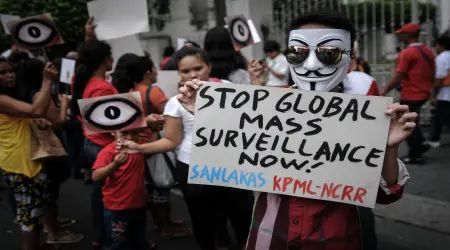
Disposable emails are often misunderstood because they allow anonymity and short-term use. Some people associate anonymity with wrongdoing, which leads to confusion about legality.
In reality, many everyday tools offer anonymity or privacy—such as private browsing modes, VPNs, or cash payments—and these are legal when used appropriately. Disposable emails fall into the same category.
Disposable Emails Are Legal Tools
Disposable email services are legal because they serve legitimate purposes, including:
Protecting personal privacy
Preventing spam and unwanted marketing
Reducing exposure to data breaches
Testing software or services
Managing one-time registrations
No laws prohibit the creation or use of temporary email addresses on their own. In fact, privacy protection is recognized as a user right in many regions around the world.
Privacy Laws Support Limited Data Sharing
Modern privacy regulations encourage users and organizations to limit unnecessary data collection. Laws such as data protection and privacy regulations emphasize:
Data minimization
User consent
Purpose limitation
Using a disposable email aligns with these principles. You are choosing not to share permanent personal data when it isn’t required—this is a lawful and reasonable decision.
When Disposable Emails Are Used Legitimately
Using a disposable email is legal when you’re:
Signing up for newsletters or promotions
Accessing free trials or gated content
Testing websites or apps
Joining forums temporarily
Avoiding spam from unfamiliar services
In these cases, disposable emails protect the user without harming others or violating laws.
When Problems Can Arise
While disposable emails are legal, misuse can lead to issues—not because of the email itself, but because of the intent behind its use.
Problems may occur if disposable emails are used to:
Commit fraud or impersonation
Bypass legal obligations
Violate platform terms of service
Abuse free trials or services unfairly
These actions are illegal or against rules regardless of the email type used. The disposable email is not the cause—it’s simply a tool.
Terms of Service vs. Law
It’s important to distinguish between legality and platform rules.
Some websites block disposable email domains or require permanent emails. This does not make disposable emails illegal—it simply means:
The platform has chosen to restrict access
You must follow their rules to use their service
Violating a website’s terms of service may result in account suspension, but it is not the same as breaking the law.
Why Disposable Emails Are Not Illegal by Default
Disposable emails do not:
Hack systems
Steal data
Bypass security measures
Access restricted information
They only replace a permanent identifier with a temporary one. This is a personal privacy choice, not a criminal act.
Ethical Use of Disposable Emails
Privacy advocates emphasize responsible usage. Disposable emails should be used to protect yourself—not to harm others.
Good practice includes:
Using disposable emails for low-risk, short-term interactions
Switching to a real or alias email for long-term accounts
Respecting platform rules
Avoiding deceptive or abusive behavior
Common Myths About Disposable Emails
“Disposable emails are illegal” – False. They are legal privacy tools.
“Only criminals use them” – False. Millions of everyday users rely on them.
“They automatically violate website rules” – Not always. Some sites allow them, others don’t.
“Using one means you’re hiding something” – Privacy is not secrecy; it’s protection.
Why Businesses Sometimes Block Disposable Emails
Some companies restrict disposable emails to:
Prevent spam or fake accounts
Reduce trial abuse
Ensure long-term customer communication
This is a business decision, not a legal judgment. It doesn’t change the legality of disposable emails themselves.
Conclusion
Using a disposable email is legal, ethical, and often smart when done responsibly. These services exist to give users control over their personal data in an internet economy driven by tracking and data collection.
The truth is simple: it’s not illegal to protect your privacy. Disposable emails are lawful tools that empower users to minimize exposure, reduce spam, and stay safer online. Like any tool, they should be used with honesty and respect—but their existence and use are completely legitimate.