Who Should Use Temporary Emails? (Students, Shoppers, Developers, Everyone)
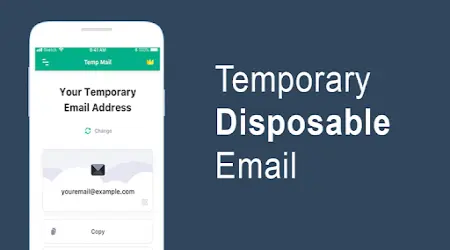
Temporary or disposable email services have become a practical solution for managing online signups, protecting privacy, and avoiding inbox overload. While some people think these tools are only for developers or privacy enthusiasts, the reality is much broader. Temporary emails are useful for nearly everyone who goes online.
Whether you’re a student signing up for learning resources, a shopper browsing deals, or a developer testing an app, disposable emails offer convenience and protection. Let’s explore who should use temporary emails and how different groups benefit from them.
Students: Protecting Your Inbox While Learning
Students often need to sign up for multiple platforms—online courses, research tools, forums, and free resources. Using a personal email everywhere can quickly result in spam and unwanted newsletters.
Why students should use temporary emails:
Access free study materials without long-term subscriptions
Join forums or platforms temporarily
Protect school or personal email accounts
Reduce spam from educational marketing lists
Temporary emails help students focus on learning, not inbox cleanup.
Online Shoppers: Avoiding Promotions and Newsletters
Shopping online usually requires an email address, especially for discounts or order confirmations. Unfortunately, this often leads to endless promotional emails.
How shoppers benefit:
Receive order confirmations without long-term marketing emails
Sign up for discounts without exposing personal email
Protect inbox from retailer mailing lists
Reduce exposure to data breaches
For one-time purchases or unfamiliar stores, temporary emails are a smart choice.
Developers and Testers: Faster, Cleaner Workflows
Developers and QA testers frequently create multiple accounts to test signups, notifications, and user flows. Managing these with real email accounts is inefficient.
Why developers love temporary emails:
Quickly create multiple test accounts
Test email verification and notifications
Keep personal and work inboxes clean
Speed up QA and development cycles
Temporary emails simplify testing without compromising productivity.
Professionals: Managing Non-Essential Signups
Professionals often need to register for webinars, tools, and industry platforms. Not all of these require long-term engagement.
Benefits for professionals:
Attend webinars without future spam
Access whitepapers or reports quickly
Separate important work emails from promotions
Maintain inbox organization
Disposable emails help professionals stay focused and organized.
Privacy-Conscious Users: Minimizing Digital Footprints
For users who care deeply about privacy, temporary emails are a key part of a broader privacy strategy.
Why privacy advocates recommend them:
Limit unnecessary data sharing
Reduce tracking and profiling
Lower the impact of data breaches
Maintain control over personal information
Using a temporary email is a form of proactive digital hygiene.
Everyday Internet Users: Yes, Everyone
The reality is simple: if you browse the web, sign up for services, or download content, temporary emails can help you.
Everyday use cases include:
Free trials
Newsletter access
Online contests
Community forums
App testing
Temporary emails aren’t about hiding—they’re about choosing when to share personal information.
When You Should NOT Use Temporary Emails
Despite their benefits, temporary emails aren’t suitable for everything. Avoid using them for:
Banking or financial services
Government platforms
Work or school accounts
Long-term subscriptions
Accounts requiring password recovery
In these cases, a personal or alias email is a better choice.
Best Practices for Everyone
Use temporary emails for short-term, low-risk signups
Switch to alias emails for long-term but non-critical accounts
Keep your personal email reserved for essential services
Respect platform terms and conditions
This layered approach balances convenience, privacy, and security.
Conclusion
Temporary emails are not niche tools—they’re everyday privacy solutions. Students, shoppers, developers, professionals, and casual users all benefit from limiting unnecessary exposure of their personal email addresses.
In a digital world where data is constantly collected, temporary emails empower everyone to take control of their inbox and protect their online identity. If you use the internet, temporary emails can work for you.