How Spammers Collect Emails—and How Temporary Mail Stops Them
Spam emails are one of the most persistent problems on the internet. From fake promotions and scams to endless newsletters you never asked for, spam wastes time and poses real security risks. Many people rely on spam filters to clean up their inbox, but few understand how spam starts in the first place.
Spammers don’t magically guess email addresses—they collect them deliberately using multiple methods. The good news is that temporary email services stop spam at its source. Let’s break down how spammers gather emails and why temporary mail is one of the most effective defenses.
How Spammers Collect Email Addresses
Spammers use a variety of techniques to harvest email addresses at scale. Understanding these methods helps explain why using your personal email everywhere is risky.
1. Website Signups and Forms
One of the most common sources of spam is legitimate-looking sign-up forms. When you enter your email to access content, discounts, or free trials, your address may be:
Added to internal marketing lists
Shared with partners
Sold to third-party advertisers
Even reputable websites can become spam sources if their data is poorly managed.
2. Data Breaches and Leaked Databases
Data breaches expose millions of email addresses at once. Once leaked, these addresses often end up:
On spam mailing lists
In phishing campaigns
Sold on underground forums
A single breach can result in years of spam if your personal email is involved.
3. Email Scraping Bots
Automated bots crawl websites, forums, and comment sections looking for visible email addresses. If your email appears publicly—even once—it can be harvested and reused indefinitely.
4. Marketing List Sharing and Reselling
Some companies legally or illegally share email lists. When this happens, your email can move across dozens of marketing databases without your knowledge.
This creates a chain reaction where one signup leads to spam from multiple sources.
5. Phishing and Fake Giveaways
Scammers often create fake contests, surveys, or giveaways designed solely to collect email addresses. Once collected, these emails are used for spam or targeted scams.
Why Spam Is More Than Just Annoying
Spam isn’t just clutter—it’s a security issue. Spam emails are often used to:
Deliver phishing attacks
Spread malware
Trick users into revealing personal information
Test whether an email address is active
An active, responsive inbox becomes more valuable to spammers over time.
How Temporary Mail Stops Spam at the Source
Temporary email services change the game by breaking the spam collection cycle.
1. Disposable Emails Are Short-Lived
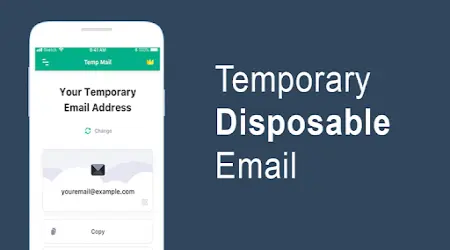
Temporary mail addresses expire quickly. Even if a spammer collects the address, it becomes useless shortly after.
No inbox, no spam.
2. Your Real Email Is Never Exposed
By using temporary mail for signups and downloads, your personal email never enters spam databases in the first place. Spammers can’t target what they don’t have.
3. Spam Dies with the Inbox
Spam campaigns rely on repeated contact. Temporary inboxes disappear before spammers can send follow-up messages, cutting campaigns short.
4. Blocking Tracking and Email Validation
Spammers often test whether an email address is active by sending tracking emails. Temporary mail isolates these tests away from your real inbox, preventing your personal email from being flagged as “valid.”
5. Reducing Long-Term Exposure from Breaches
If a website using your temporary email is breached later, the leaked address is already expired. This turns a major breach into a non-event for you.
Temporary Mail vs. Spam Filters
Spam filters react after spam arrives. Temporary mail prevents spam before it starts.
Spam filters clean up the mess
Temporary mail stops the mess from happening
Both are useful, but prevention is far more effective than cleanup.
Where Temporary Mail Works Best
Temporary emails are ideal for:
Newsletters
Free downloads
Online contests
Unfamiliar websites
One-time registrations
These are the most common entry points for spam.
When Not to Use Temporary Mail
Temporary mail should not be used for:
Banking or financial accounts
Work or school communication
Long-term subscriptions
Accounts requiring recovery access
In these cases, a personal or alias email is more appropriate.
Best Practices to Stay Spam-Free
Use temporary emails for short-term or low-trust signups
Reserve your personal email for critical services
Avoid posting your email publicly online
Use unique emails for different purposes
Combine temporary mail with spam filters and strong security habits
Common Myths About Spam and Temporary Mail
“Spam is unavoidable” – Much of it is preventable.
“Unsubscribing always works” – Often too late.
“Temporary mail causes spam” – It absorbs spam; it doesn’t create it.
Conclusion
Spammers collect emails through signups, breaches, scraping, and deceptive tactics—but temporary mail cuts them off at the source. By keeping your real email out of spam databases and limiting exposure from the start, temporary emails turn spam into a temporary inconvenience instead of a permanent problem.
In a world where inboxes are constantly under attack, temporary mail isn’t just convenient—it’s one of the smartest ways to stay spam-free and protect your digital identity.