Disposable Emails vs. VPNs: Tools for Online Privacy
Online privacy is no longer optional—it’s a necessity. Every time you browse the web, sign up for a service, or download an app, pieces of your digital identity are collected, tracked, and stored. To counter this, many users turn to privacy tools like disposable emails and VPNs.
Although these tools are often mentioned together, they serve very different purposes. Understanding what each one does—and what it doesn’t—can help you make smarter decisions about protecting your online presence.
What Are Disposable Emails?
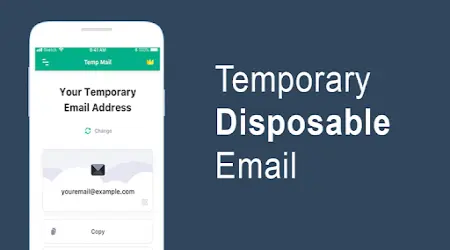
Disposable emails are temporary, short-lived email addresses that allow you to receive messages without revealing your real inbox. They usually require no registration and expire automatically after a set period.
Their main purpose is to protect your email identity by limiting exposure to spam, phishing attempts, data breaches, and marketing trackers.
What Is a VPN?
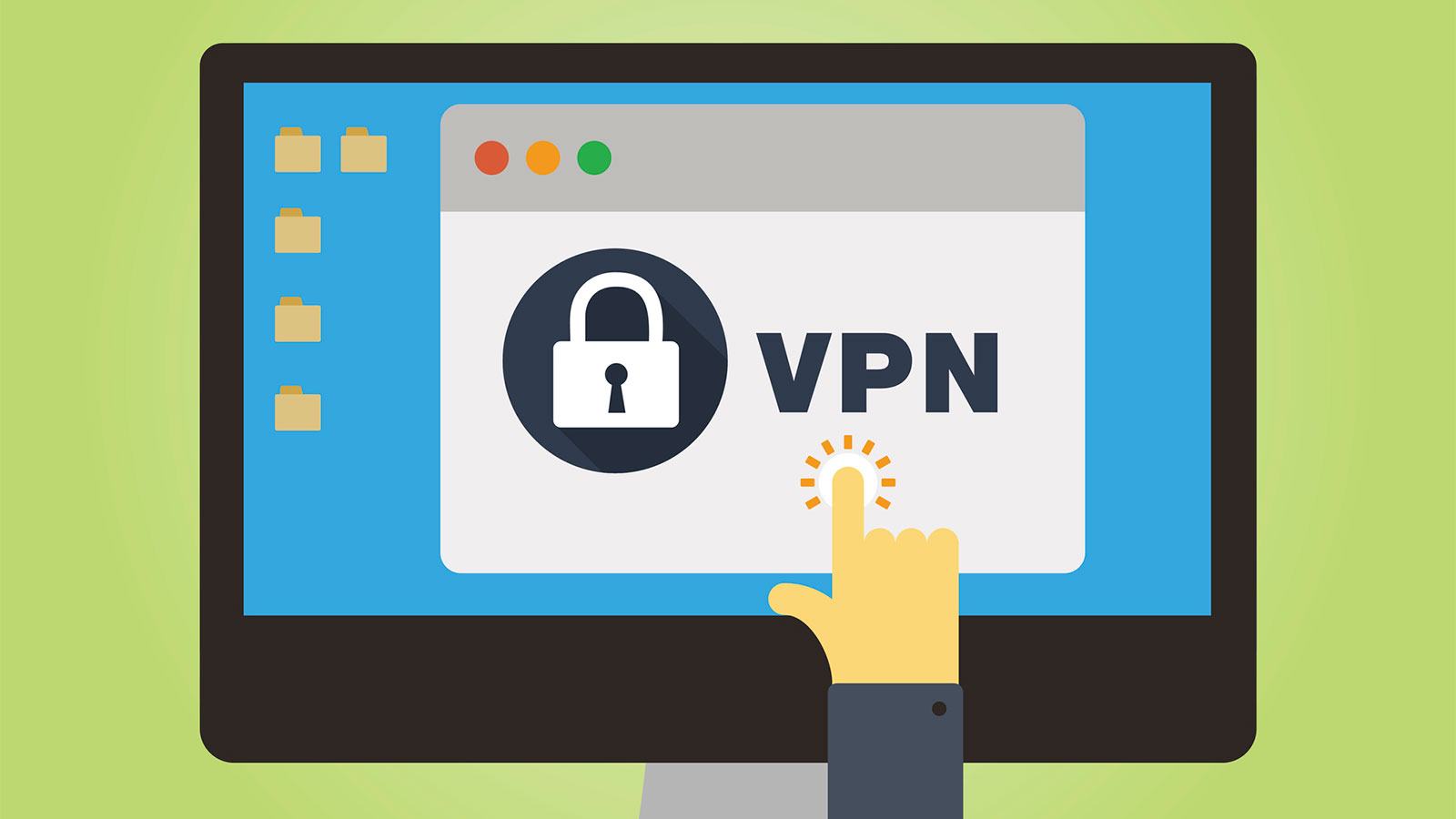
A VPN (Virtual Private Network) encrypts your internet connection and hides your IP address by routing traffic through a secure server. This prevents websites, advertisers, and internet service providers from seeing your real location or tracking your browsing activity.
VPNs focus on protecting your network identity, not your email or account details.
Key Differences Between Disposable Emails and VPNs
1. What They Protect
Disposable emails protect your email address and account identity.
VPNs protect your IP address, location, and browsing activity.
2. How They Work
Disposable emails replace your real email with a temporary one.
VPNs encrypt your internet traffic and mask your network identity.
3. Level of Anonymity
Disposable emails provide limited anonymity tied to signups and messaging.
VPNs provide broader anonymity across websites and online activity.
4. Duration of Use
Disposable emails are designed for short-term use.
VPNs are designed for continuous, long-term protection.
5. Common Use Cases
Disposable emails are ideal for signups, downloads, free trials, and testing services.
VPNs are ideal for public Wi-Fi, location privacy, secure browsing, and bypassing tracking.
Can Disposable Emails Replace a VPN?
No. Disposable emails and VPNs solve different privacy problems. A disposable email won’t hide your IP address or encrypt your connection, and a VPN won’t stop websites from collecting your email if you provide it.
They are complementary tools, not substitutes.
How Disposable Emails Improve Privacy
Prevent your real email from being stored or sold
Reduce spam and phishing exposure
Limit damage from data breaches
Break long-term tracking tied to email identity
How VPNs Improve Privacy
Hide your real IP address and location
Encrypt data on public or unsecured networks
Prevent ISPs from tracking browsing habits
Reduce ad profiling based on network activity
When to Use Disposable Emails
Signing up for newsletters or promotions
Creating accounts on unfamiliar websites
Downloading free resources
Testing apps or services
Participating in online communities temporarily
When to Use a VPN
Browsing on public Wi-Fi
Accessing sensitive information online
Preventing location-based tracking
Protecting data from network snooping
Maintaining privacy while traveling
Using Both for Stronger Privacy
The best privacy strategy often involves layered protection. Using a VPN while signing up with a disposable email offers two layers of defense:
Your network activity is hidden
Your real email identity is protected
Together, they significantly reduce how much data you expose online.
Common Misconceptions
“A VPN makes me completely anonymous” – Not true without careful usage.
“Disposable emails are unsafe” – They are safe when used appropriately.
“One tool is enough” – Modern privacy threats require multiple layers.
Conclusion
Disposable emails and VPNs play different but equally important roles in online privacy. Disposable emails protect your identity at the account level, while VPNs secure your connection at the network level.
Instead of choosing one over the other, understanding how they work together empowers you to take full control of your digital privacy. In an increasingly tracked online world, combining the right tools makes all the difference.