
Using Temporary Emails for Social Media Registrations: Does It Work?
Social media platforms are essential for connecting with friends, family, and communities. However, creating accounts often requires an email address, which can lead to unwanted newsletters, promotional emails, or even privacy concerns. That’s where temporary emails come in—but do they really work for social media registrations?
How Temporary Emails Can Help
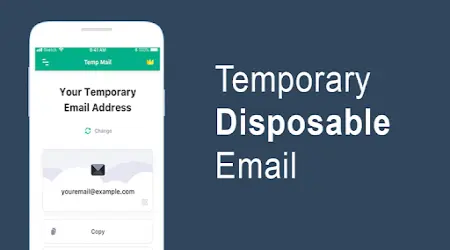
Temporary emails provide a quick and anonymous way to sign up for social media platforms. By using a disposable email, you can protect your real inbox from spam and reduce the risk of exposing personal information.
What Works Well
One-Time Registrations: Temporary emails are perfect for creating accounts that you plan to use briefly or for testing purposes.
Protecting Privacy: They prevent your main email from being linked to new accounts, reducing exposure to spam or marketing.
Testing Features: Developers or users testing platform features can use disposable emails without cluttering their main inbox.
Limitations and Challenges
Email Verification: Many social media platforms require email verification, and some may block known disposable email services.
Long-Term Use: Temporary emails often expire quickly, making it difficult to recover accounts if you forget your password.
Account Security: Since disposable inboxes are public on some services, messages could be visible to others if security is weak.
Tips for Using Temporary Emails on Social Media
Use them for accounts you don’t plan to maintain long-term.
Avoid platforms where you may need to recover your account or receive important notifications.
Consider reputable disposable email services that last longer or provide private inboxes.
Conclusion
Temporary emails can work for social media registrations, especially for testing or one-time use accounts. However, for long-term engagement, it’s safer to use a regular email that you control. Knowing when and how to use disposable emails ensures your privacy while avoiding frustration with account recovery or verification issues.